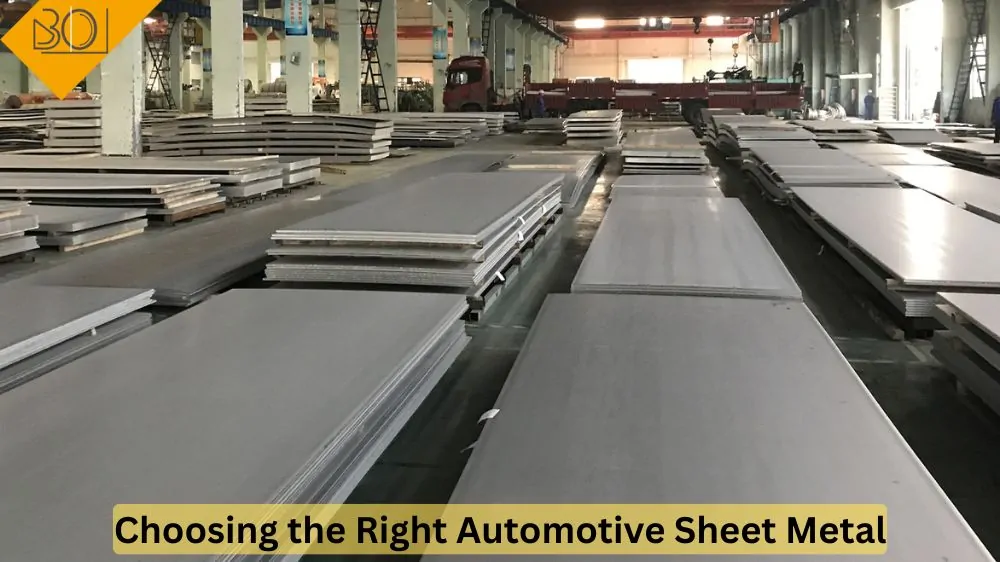
Modern manufacturing has evolved dramatically over the past few decades. Advancements in material science, tooling, automation, and design software have created an environment where efficiency and precision are the norm. As industries adopt smarter systems and automated workflows, the importance of choosing the right materials has become one of the biggest factors affecting durability, cost, and sustainability.
The Material Landscape Today
Manufacturers have an overwhelming range of metals to choose from. Aluminium is lightweight and corrosion-resistant, making it popular in aerospace and consumer electronics. Copper offers unparalleled conductivity and antimicrobial properties, a feature that has gained increased attention in healthcare environments. Structural steels remain a mainstay for construction and heavy machinery because of their strength-to-cost ratio.
Each metal has a distinct profile, and modern buyers increasingly evaluate materials based on application, lifetime performance, machining compatibility, and environmental considerations. Companies that fail to make the right selection can find themselves facing unnecessary maintenance costs, shorter product life cycles, or delayed production timelines.
The Sustainability Question
One of the largest shifts in the marketplace is the demand for more environmentally responsible materials. The manufacturing sector is currently undergoing a push to cut carbon emissions, reduce waste, and improve recycling. Metals have a strategic advantage here: many can be recycled with minimal degradation.
According to recent industry analysis, recycled aluminium uses roughly 95% less energy compared to primary production. Steel recycling also significantly reduces emissions, and while some specialty alloys require stricter refinement, recycling remains viable for industrial supply chains. As policies tighten and public expectations grow, sustainable metals are likely to become a competitive differentiator.
Corrosion Resistance and Hygiene Performance
Corrosion remains a major pain point for industrial equipment. Exposure to moisture, chemicals, or salty environments can degrade unprotected metal surfaces, leading to product failure and safety risks. This is especially relevant in marine, laboratory, and food-processing environments. Metals that resist corrosion eliminate the need for costly coatings, maintenance cycles, or regular part replacement.
Hygiene has also become a key design requirement in pharmaceutical, medical, and food-oriented environments. Surfaces must withstand regular sterilization, cleaning chemicals, and abrasion without degrading.
Application Spotlight
For fabrication environments that demand a combination of hygiene performance, corrosion resistance, and sleek surface appearance, many suppliers still recommend stainless alloys over traditional carbon steels or aluminium. For example, a clean and polished stainless sheet can be used in food-prep tables, splashbacks, pharmaceutical machinery, and high-end architectural finishes. While not always the cheapest metal on the market, the long-term cost savings, reduced maintenance, and compliance advantages often justify the choice.
Fabrication and Processing Capabilities
The ability to form, cut, weld, punch, and polish metal efficiently is a critical step in modern manufacturing. Processing capabilities vary significantly based on the metal selected. Aluminium bends easily but can deform under pressure. Tool steels are hard and strong but require specialized cutting tools and heat treatments. Stainless alloys can be welded and polished effectively with the right equipment, making them well-suited for automated machining environments.
Additionally, new technologies—such as fiber lasers, waterjet cutting, and robotic welding—have expanded what manufacturers can do with metals. Automated finishing systems can now deliver blemish-free surfaces at scale, enabling consistent branding and aesthetics in consumer-facing industries.
Cost Considerations and Market Forces
While performance and technical specifications matter, cost remains one of the most influential decision-making factors. Metal pricing fluctuates heavily depending on global mining output, energy costs, and geopolitical events. Supply chain disruptions in recent years have underscored how sensitive the metal market can be to global shocks.
Businesses adopting better material forecasting, recycling processes, and diversified supplier networks are better positioned to navigate future volatility. Strategic material selection is no longer just an engineering issue—it’s a financial and operational one.
Conclusion
Selecting the optimal metal type is a blend of engineering insight, cost-benefit analysis, and forward-thinking sustainability. As industries move toward cleaner production and automated manufacturing, metals that provide durability, corrosion resistance, and recyclability are expected to gain even more prominence. Manufacturers willing to invest in smarter material choices can expect superior performance, fewer production delays, and stronger long-term value.